Table of Content
Before joining CNET Money, Wojno was Senior Editor of Finance for ZDNet, writing on blockchain, cryptocurrency, financial services, investing and taxes. Outside the digital world, Marc can be found spinning vinyl, threading reel-to-reel tapes, shooting film with his Bolex and hosting an occasional pub quiz. Home equity loan rates will continue to rise in lockstep with rising interest rates, but they're still a cheaper alternative to other types of financing. As you pay down your loan balance, the equity in your home grows.

No customer or other discounts are available during the Variable-Rate Introductory Period. See “Home equity assumptions” link for important additional information. Rates are for illustrative purposes only, are subject to change without notice, and assume a borrower with excellent credit. Home equity is the amount of money you have in your home, or the monetary value of your home that you own outright. You can calculate the amount of equity in your home by taking your existing mortgage balance away from the current home’s value. It’s essential that you use the property’s current value rather than what you bought it for.
What are origination fees?
To determine how much equity you have in your home, simply subtract your outstanding mortgage balance from the current appraised value of your home. It typically takes a homeowner between five and 10 years to build up enough equity to borrow against their home. "The cost of borrowing from home equity has gone up dramatically this year," says Greg McBride, chief financial analyst for CNET's sister site, Bankrate.
Navy Federal is one of the few banks on this list, allowing customers to borrow up to 100% of the home’s equity. A "good" rate depends on a variety of factors, including your credit score, how much home equity you have and where you live. If you have an average or below-average credit score, the lowest rate you're offered might be above the national average.
What is a mortgage rate?
You’ll pay back the outstanding balance that you borrowed, as well as any interest owed. PNC's HELOC lets you borrow up to 84.9 percent of your home's value, and you can get a discount on your rate if you set up automatic payments from a PNC checking account. Bethpage offers the unique option to convert some or all of a variable-rate HELOC to a fixed-rate loan without a fee.
Borrowers can bank in person or apply for home equity loans online or by phone. You’ll have to join the credit union, but membership options are flexible enough that just about anyone can find a way to join. You can get a 0.25 percent rate discount if you have a KeyBank checking account and a KeyBank savings account. Available rates will vary somewhat significantly depending on the state you live in, so do check the company’s rate sheet specifically for that information.
Home equity loan rates for December 2022
You’ll simply enter some personal and financial information, such as your name, address, salary, desired loan amount and estimated credit score. Home equity loan -A home equity loan is a second mortgage with a fixed interest rate that provides a lump sum to use for any purpose. Unlike a HELOC with an interest-only period, you’ll be responsible for both interest and principal payments when the loan closes. When theline of credit’s draw period expires, you enter the repayment period, which can last up to 20 years.

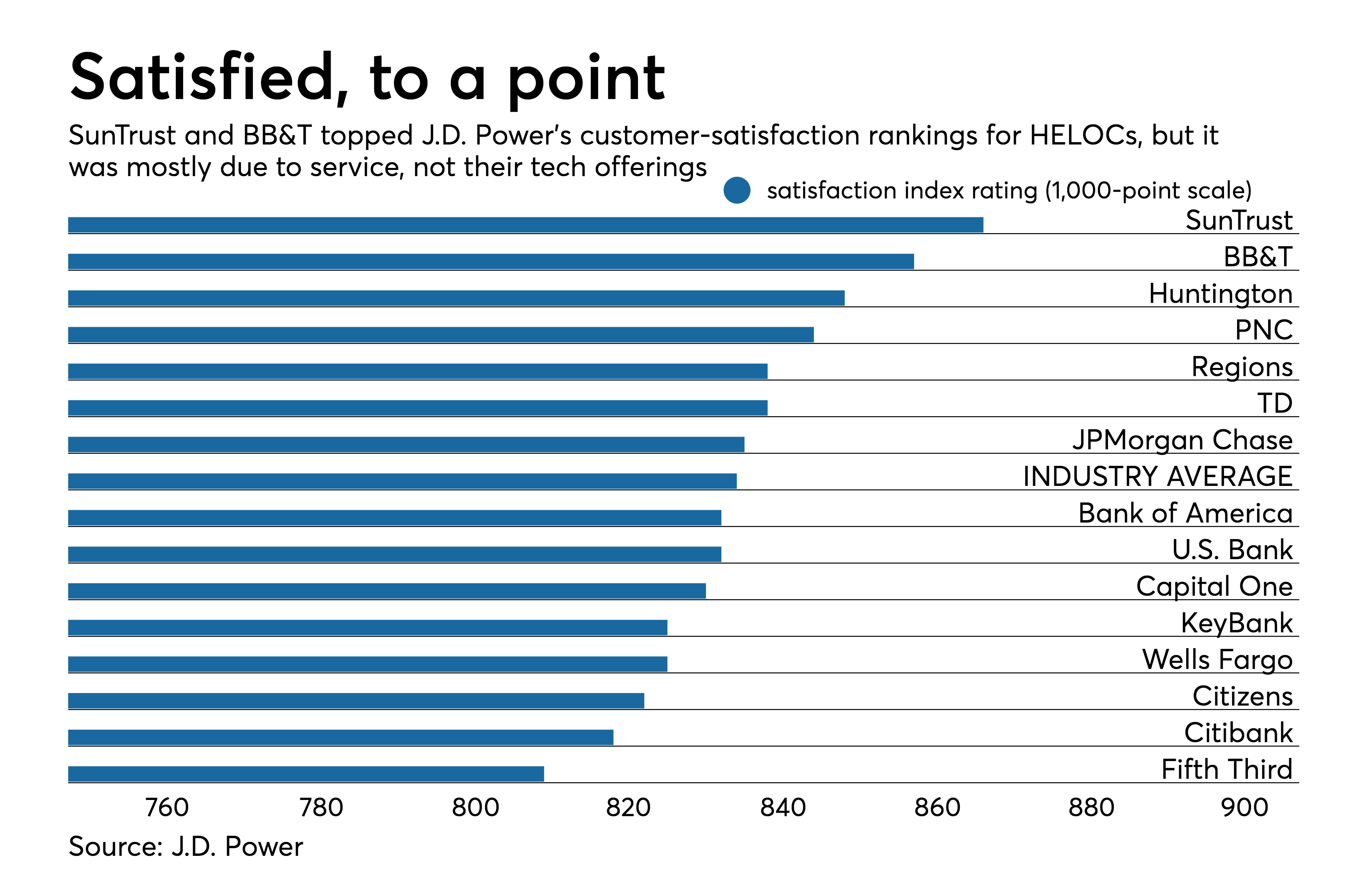
If you have a credit score in the mid-600s or below, work to pay off existing debt and make timely payments on your credit cards toimprove your score. TD Bank typically ranks high in customer satisfaction and offers low rates on its HELOCs (starting at 3.99 percent in some areas). Borrowers may also get a 0.25 percent rate discount for having a TD Bank checking account. Third Federal offers home equity loans and HELOCs featuring long repayment terms, potentially low interest rates and few fees. Home equity loans are often a better option if you know the amount you need already—say for a child’s education or a home construction project. That’s because when you get the money all at once, you repay it according to a fixed interest rate.
Home equity loans also offer some protection from rising interest rates, in contrast to variable-rate HELOCs. The rate you lock in when you take out your loan will remain the same for the entire term, even if market interest rates rise- and those rates are rising. Second mortgages, like home equity loans and lines of credit , don’t alter a homeowner’s primary mortgage. This lets them borrow against the value of their home without needing to exchange their primary mortgage’s current rate for a new, higher one.

Right now, however, Old National’s home equity loans are only available in Illinois, Indiana, Iowa, Kentucky, Michigan, Minnesota and Wisconsin. Home equity loans and cash-out mortgage refinancesare both potential ways to get money for home renovations or unexpected expenses. Generally speaking, if you're planning on doing multiple home improvement projectsover an extended period of time, a HELOC may be the better option for you. If you're thinking aboutconsolidating high-interest credit card debtor doing a larger home improvement project that would require all of the funds upfront, a home equity loan may be the best option.
Some lenders now offerfixed-rate HELOCs, but these tend to have higher interest rates. After the draw period, you enter the repayment period, in which any remaining interest and the principal balance are due. Repayment periods tend to be longer than draw periods — anywhere from 15 to 20 years. The best mortgage rate for you will depend on your financial situation. If you currently have a mortgage, starting with your current lender may be wise. Many banks or other lenders offer loyalty discounts to current clients to keep their business.

Shortening your repayment term could help you access an interest rate discount, but nothing is guaranteed. For example, if your home is worth £300,000 in today’s market and you have a mortgage balance of £200,000, then you have £100,000 in home equity. And if the property’s location became more sought after and went up in value by £10,000, then the home equity would rise to £110,000 without any additional mortgage payments. Thus, a home’s equity can change by making mortgage payments or by changes in its valuation.
Some lenders may use the word "points" to refer to any upfront fee that is calculated as a percentage of your loan amount. Point is a term that mortgage lenders have used for many years and while some points may lower your interest rate, not all points impact your rate. Mortgage points can be found on the Loan Estimate that the lender provides after you apply for a mortgage. View BECU's current home loan interest rates for mortgages and home equity lines of credit. While borrowers shunned ARMs during the pandemic days of super-low rates, this type of loan has made a comeback as mortgage rates have risen. The central bank raised rates again at its November meeting — but what comes next is a toss-up.
Because home equity loans typically have fixed rates, it might be a good idea to lock in a rate sooner rather than later to avoid higher costs if rates continue to rise. With HELOCs, you’ll go through a draw period where you will make very small interest-only payments and can continue to dip into the credit line as you need it. Once the draw period is over, you’ll begin making full payments to pay off the loan. Some banks, like Bank of America, will even give you a higher discount on your rate if you take out a certain amount of your line of credit. Policymakers at the Federal Reserve set the federal funds rate, which impacts how much you pay in interest for various financial products, including variable-rate loans like HELOCs. To combat inflation, the Fed has raised the fed funds rate several times this year, which has contributed to a rise in home equity rates.
Average HELOC rates by market
The most recent Consumer Price Index was up 7.1% year-over-year in November, cooler than expected. That will help determine what’s next for interest rates and the broader economy as price increases show signs of slowing down. In addition, lenders typically require an appraisal to determine the value of the home, which in turn determines how much equity the owner has. This week’s average interest rate for a 20-year HELOC is 7.78%, versus 7.82% last week. At NextAdvisor we’re firm believers in transparency and editorial independence.


No comments:
Post a Comment